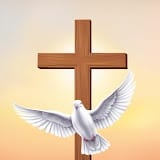
The Sacred Pause
Holy Saturday is the quietest, most hidden day of the journey. Nothing seems to move. The tomb is closed, hope feels suspended, and even faith can feel fragile. This is the day of waiting without clear answers—the space between what has ended and what has not yet begun. We often want to rush past this day, eager to reach the joy of Easter, but the mystics gently urge us to stay.
Evelyn Underhill spoke of the spiritual life as a process of surrender, where we learn to trust what we cannot yet see. Holy Saturday invites exactly that kind of trust. Teresa of Avila might describe it as wandering the inner rooms of the soul, unsure of where the next doorway leads. It is uncomfortable, even unsettling, because we prefer clarity. Yet this stillness holds a quiet kind of grace.
Thomas Merton described contemplation as a deep, alive silence—not empty, but full. This day reflects that kind of silence. Though everything appears still, something sacred is unfolding beneath the surface. St. John of the Cross reminds us that God often works most powerfully in hidden ways, beyond our awareness. What feels like absence may actually be a deeper presence, one we cannot yet perceive.
There is hope here, though it is softer than the triumph of Easter. The hope of Holy Saturday is the assurance that waiting is not meaningless. It is a sacred pause, a necessary unfolding. Like seeds buried in the earth, something is quietly preparing for new life. Passover’s promise of deliverance and Good Friday’s sorrow both lead us here—to trust that God is still at work, even in silence.
So we remain. We breathe. We wait.
Reflective Questions
Where in your life are you being asked to wait without clear answers?
How do you usually respond to silence or uncertainty—do you resist it or lean into it?
What might it look like to trust that something good is unfolding, even if you cannot yet see it?
Newsletter
Subscribe now to get weekly updates.
2026@Go Deeper Ministries


